Insights
How to Reduce Recruitment Costs Without Compromising Hiring Quality
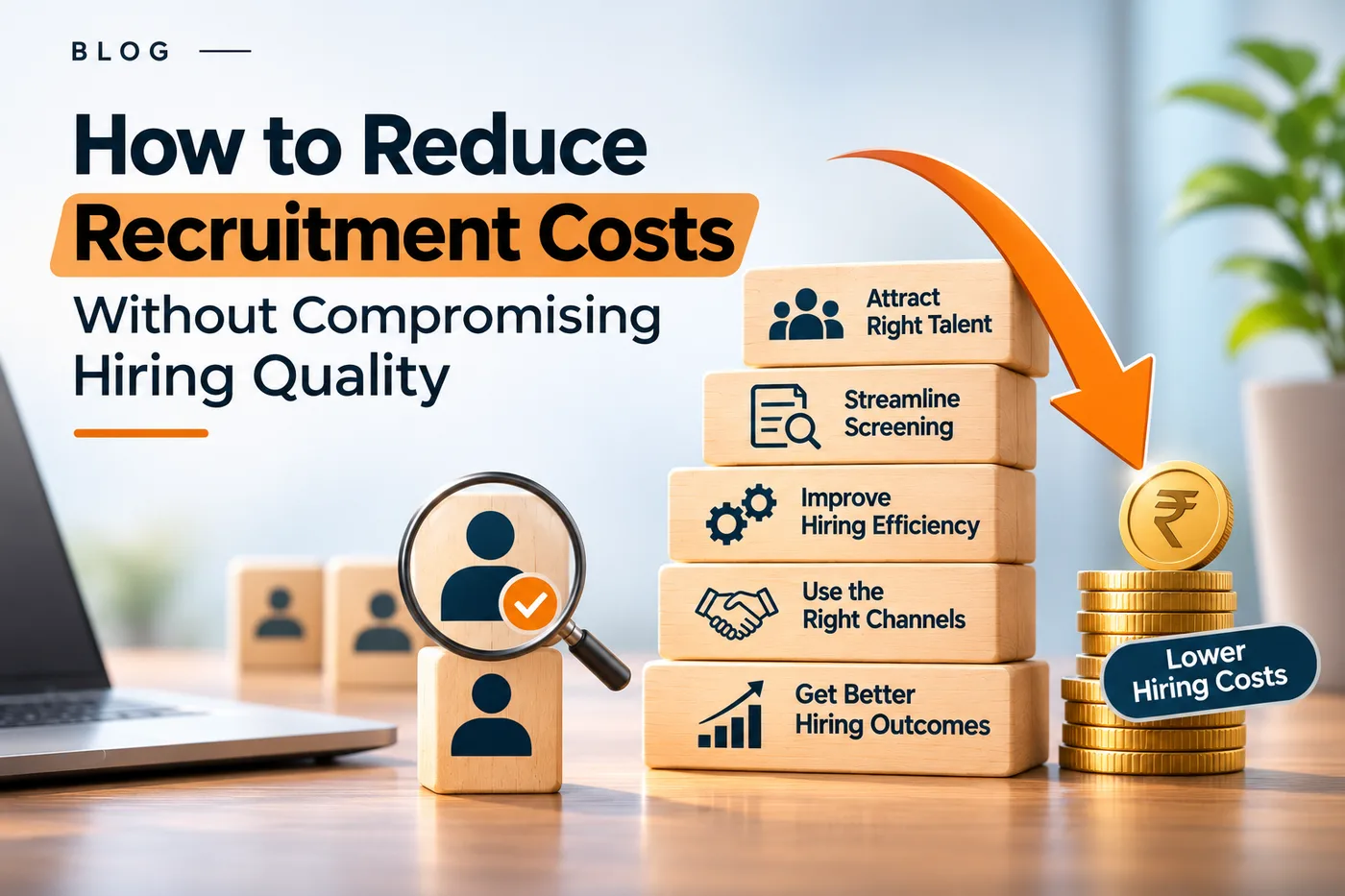
Recruitment is an important investment for every business. Finding the right employees helps organisations improve productivity, achieve business goals and build stronger teams. However, an inefficient hiring process can increase recruitment expenses and place additional pressure on HR departments.
Repeated job advertisements, unsuitable applications, lengthy interview processes and poor hiring decisions can all contribute to higher recruitment costs.
For business owners and HR managers, the challenge is not simply to spend less on hiring. It is to make recruitment more efficient while maintaining the quality of candidates.
So, how can businesses reduce recruitment costs without compromising hiring quality?
The answer lies in improving the entire recruitment process through better workforce planning, targeted sourcing, structured candidate screening, faster decision-making and effective recruitment management.
In this guide, we explore practical recruitment cost reduction strategies, explain how to calculate cost per hire and discuss how outsourced recruitment services can help businesses manage hiring expenses.
What Is Recruitment Cost?
Recruitment cost refers to the total expenditure a business incurs to attract, assess, select and hire new employees. It includes both direct expenses and internal resources used throughout the recruitment process.
These expenses can vary depending on the organisation's size, industry, hiring requirements and recruitment methods.
Common recruitment expenses include:
- Job advertising: Payments for job-board subscriptions, sponsored listings and recruitment advertisements.
- Recruitment agency fees: Charges for external recruitment consultants or outsourced recruitment services.
- Internal HR expenses: Time spent by HR professionals reviewing applications, conducting interviews and coordinating recruitment activities.
- Candidate assessments: Costs associated with technical tests, skill assessments and background verification.
- Interview expenses: Costs related to interview scheduling, travel and coordination.
- Recruitment technology: Applicant tracking systems, recruitment software and other hiring tools.
- Replacement hiring: Additional expenditure when employees leave shortly after joining and need to be replaced.
Businesses should not evaluate recruitment costs based only on advertising expenditure. Internal working hours, recruitment delays and repeated hiring activities can also contribute significantly to the overall cost.
A well-managed recruitment process focuses on controlling these expenses while ensuring that suitable candidates are selected for every position.
What Factors Increase Recruitment Costs?
Recruitment expenses often increase because of inefficiencies within the hiring process. Identifying these issues is the first step towards improving recruitment cost management.
Here are some common factors that increase hiring expenditure.
1. Unclear Job Requirements
When job descriptions do not clearly explain responsibilities, qualifications and required skills, businesses may attract unsuitable applicants.
HR teams then spend additional time reviewing applications and conducting interviews with candidates who may not meet the actual requirements.
2. Ineffective Recruitment Channels
Using the wrong recruitment platforms can result in irrelevant applications or a limited number of qualified candidates.
For example, a specialised technical position may require industry-specific sourcing rather than relying entirely on general job portals.
3. Repeated Job Advertisements
If a vacancy does not attract suitable candidates, businesses may need to extend or restart their recruitment campaigns.
This increases advertising expenditure and delays the hiring process.
4. Lengthy Interview Processes
Multiple interview rounds, delayed feedback and complicated approval procedures can increase the time required to fill a position.
Qualified candidates may also accept opportunities from other employers while waiting for a final decision.
5. Poor Candidate Screening
Without structured screening criteria, HR teams may shortlist candidates who do not meet the essential requirements.
This leads to unnecessary interviews and additional time spent evaluating unsuitable applicants.
6. High Employee Turnover
When newly hired employees leave within a short period, businesses may need to repeat the entire recruitment process.
Replacement hiring increases sourcing, screening, interview and onboarding expenses.
7. Lack of Recruitment Planning
Hiring without proper workforce planning can lead to urgent recruitment requirements, rushed decisions and unnecessary expenditure.
A planned recruitment process helps businesses identify future staffing needs and prepare suitable candidate pipelines.
8 Ways to Reduce Recruitment Costs
Reducing recruitment expenditure requires a strategic approach to every stage of the hiring process. Businesses should focus on eliminating unnecessary activities, improving candidate quality and using available resources effectively.
Here are eight practical recruitment cost reduction strategies.
1. Define Job Requirements Before Starting Recruitment
A clearly defined job description helps businesses attract candidates who match the actual requirements of the position.
Before advertising a vacancy, HR teams should work with hiring managers to identify:
- Essential qualifications and experience.
- Technical and professional skills.
- Key responsibilities and expected outcomes.
- Salary range and employment conditions.
- Reporting structure and department requirements.
Separating essential qualifications from preferred skills can also prevent businesses from unnecessarily limiting the candidate pool.
Clear job requirements reduce irrelevant applications and help recruiters focus on suitable candidates.
2. Choose the Right Recruitment Channels
Not every recruitment platform is suitable for every position.
Businesses should identify where their target candidates are most likely to search for employment opportunities.
For example:
- Professional networking platforms may help identify experienced professionals.
- Job portals can support general recruitment requirements.
- Employee referrals may help reach candidates through existing networks.
- Industry-specific communities can support specialised hiring.
- Recruitment consultants can assist with niche or difficult-to-fill positions.
Reviewing the quality of applicants from each channel helps businesses allocate their recruitment budget more effectively.
3. Build a Talent Pipeline for Future Hiring
Businesses that regularly recruit for similar positions can benefit from maintaining a talent pipeline.
A talent pipeline is a structured pool of potential candidates who may be suitable for future vacancies.
Instead of starting the sourcing process from the beginning every time a position becomes available, HR teams can reconnect with relevant candidates who have previously expressed interest.
A well-maintained talent pipeline can help businesses:
- Reduce repeated sourcing activities.
- Shorten the initial recruitment stage.
- Identify potential candidates more quickly.
- Improve workforce planning.
- Support recurring and high-volume recruitment.
Candidate information should be maintained securely and in accordance with applicable privacy and consent requirements.
4. Standardise Candidate Screening and Interviews
Inconsistent candidate screening can increase recruitment expenses by creating unnecessary interview rounds and delaying hiring decisions.
Businesses should establish structured screening criteria based on the actual requirements of each role.
Useful practices include:
- Creating role-specific screening questions.
- Using standardised interview scorecards.
- Evaluating technical and professional skills consistently.
- Defining essential selection criteria.
- Documenting interview feedback.
- Comparing candidates against the same job-related requirements.
Structured screening improves decision-making and helps HR teams identify suitable candidates earlier in the recruitment process.
5. Reduce Delays in Recruitment Decision-Making
A lengthy recruitment process can increase internal costs and make businesses lose qualified candidates.
When interview feedback and approval decisions are delayed, candidates may accept offers from competing employers.
To improve recruitment process efficiency, businesses should:
- Define clear interview stages.
- Assign responsibilities to hiring managers.
- Schedule interviews in advance where possible.
- Establish reasonable feedback timelines.
- Communicate recruitment progress to candidates.
- Avoid unnecessary approval procedures.
A faster recruitment process can reduce vacancy-related delays and improve the overall candidate experience.
6. Encourage Employee Referrals
Employee referrals can help businesses connect with potential candidates through their existing workforce.
Employees may recommend individuals who have relevant experience, professional skills or industry knowledge.
An employee referral programme can help organisations expand their candidate reach without depending entirely on paid recruitment channels.
However, referrals should not bypass the standard selection process. Every candidate should be assessed against the same job-related criteria to maintain fairness and hiring quality.
7. Improve the Candidate Experience
Candidate experience plays an important role in attracting and retaining suitable applicants throughout the recruitment process.
Poor communication, unclear job expectations and unnecessary interview stages can discourage qualified candidates from continuing.
Businesses can improve candidate experience by:
- Providing accurate job descriptions.
- Explaining the recruitment process clearly.
- Communicating interview schedules on time.
- Sharing realistic expectations about the role.
- Providing timely updates.
- Avoiding repetitive application requirements.
A professional candidate experience can strengthen employer reputation and support better candidate engagement.
8. Monitor Recruitment Metrics and Performance
Businesses should regularly review recruitment data to understand where their hiring budget is being spent.
How Meptor Supports Business Recruitment Requirements
Meptor provides Talent Acquisition Services designed to help businesses strengthen their recruitment processes and identify suitable candidates.
Its recruitment support covers important stages of the hiring lifecycle, including:
- Requirement analysis and job description development.
- Talent sourcing and candidate identification.
- Candidate screening and shortlisting.
- Structured interview support.
- Interview and offer coordination.
- Onboarding coordination.
By aligning recruitment activities with business requirements, Meptor helps organisations approach hiring in a more structured and efficient manner.
Businesses looking to improve their recruitment process can explore Meptor's Talent Acquisition Services to understand how professional recruitment support can complement their internal HR operations.