Insights
10 Ways HR Consultancy Can Improve Business Operations
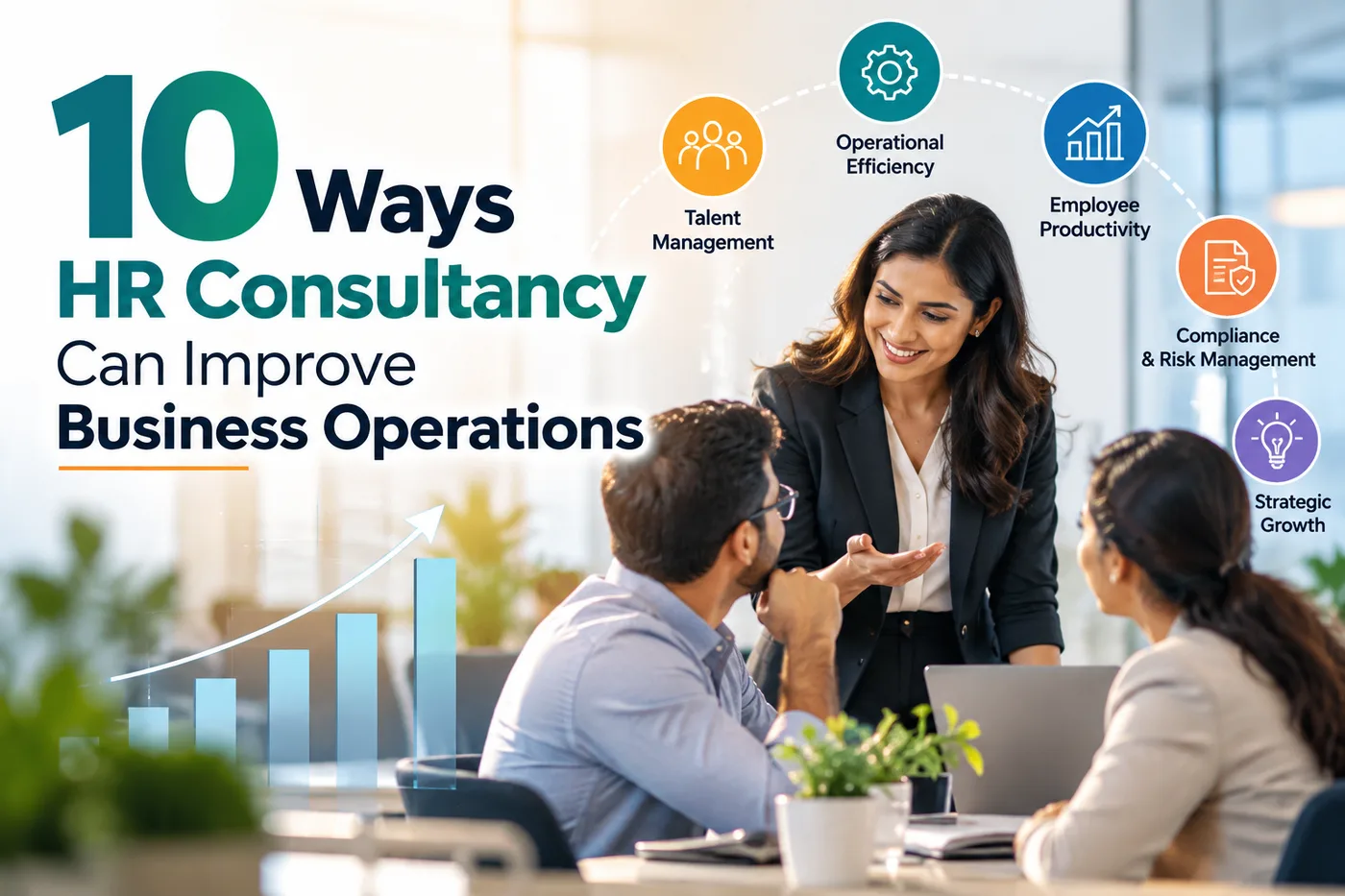
Human resources is no longer limited to hiring employees and maintaining personnel records. For growing businesses, effective HR management can influence recruitment, productivity, employee experience, compliance, payroll, and long-term workforce planning. However, managing these responsibilities internally can become increasingly difficult as an organization grows.
An HR consultancy provides businesses with professional guidance and practical support across different areas of workforce management. From recruitment and employee onboarding to payroll and HR compliance, the right HR consultancy can help businesses create more structured processes and reduce the administrative burden on internal teams.
Here are 10 ways HR consultancy can improve business operations.
1. Streamline Recruitment and Hiring
Recruiting the right employees is essential for maintaining an effective workforce. However, businesses can spend significant time creating job descriptions, sourcing candidates, screening applications, coordinating interviews, and managing recruitment documentation.
An HR consultancy can bring structure to the recruitment process by helping businesses identify workforce requirements, develop suitable recruitment strategies, screen candidates, and improve hiring workflows. A more organized recruitment process can help businesses reduce unnecessary delays and focus internal resources on core operations.
2. Improve Employee Onboarding
The employee experience begins before a new employee officially starts work. An unclear or inconsistent onboarding process can create administrative challenges and make it harder for new employees to understand their responsibilities.
HR consultants can help businesses establish standardized onboarding processes covering documentation, orientation, role expectations, policies, training, and employee integration. A structured onboarding system creates a more consistent experience while helping managers and HR teams handle new-employee requirements efficiently.
3. Reduce HR Administrative Work
HR teams often manage large amounts of administrative work, including employee records, documentation, leave management, onboarding paperwork, payroll coordination, and internal HR processes.
Outsourcing selected HR functions to a consultancy can reduce the workload associated with repetitive administrative activities. This allows business leaders and internal teams to spend more time on strategic priorities instead of managing every HR task manually.
4. Support Payroll Management
Payroll requires accuracy, consistency, and organized processes. Errors or delays can create unnecessary administrative issues and affect employee confidence.
An HR consultancy offering payroll management support can help businesses establish structured payroll processes, maintain employee information, coordinate payroll activities, and improve administrative efficiency. For organizations without a dedicated payroll team, professional support can also provide a more scalable approach as the workforce expands.
5. Strengthen HR Compliance Processes
Businesses need appropriate HR policies, employee documentation, and workforce processes that align with applicable employment requirements. Managing these responsibilities can become more complicated as a company grows or expands into new locations.
HR consultants can help organizations review their existing HR processes, identify potential gaps, organize documentation, and establish more consistent compliance procedures. The exact requirements vary by jurisdiction, so businesses should ensure that location-specific employment obligations are addressed appropriately.
6. Help Businesses Build Better HR Policies
Clear HR policies provide employees and managers with a consistent framework for handling workplace processes. Policies may cover areas such as attendance, leave, employee conduct, performance management, workplace procedures, and other organizational requirements.
An HR consultancy can help businesses develop, review, and organize HR policies according to their operational needs. Well-documented policies can also reduce ambiguity by giving managers and employees clearer guidance when handling common workplace situations.
7. Improve Workforce Planning
Business growth requires the right people at the right time. Hiring without proper workforce planning can lead to understaffing, unnecessary recruitment costs, or gaps in critical skills.
HR consultants can help businesses assess current workforce requirements, identify future talent needs, and develop hiring plans aligned with business objectives. Workforce planning can be particularly valuable for companies entering new markets, expanding teams, or restructuring existing operations.
8. Support Employee Retention
Hiring employees is only one part of workforce management. Businesses also need to understand why employees stay, what affects their experience, and where improvements may be required.
HR consultancy can support businesses by helping establish employee feedback processes, performance management systems, engagement initiatives, and structured HR practices. These measures can give organizations better visibility into employee-related challenges and help management make more informed workforce decisions.
9. Improve HR Processes Through Technology
Modern HR operations increasingly rely on digital tools for recruitment, employee records, onboarding, payroll, communication, and workforce administration.
An HR consultant can help businesses identify opportunities to simplify manual processes and introduce appropriate technology into their HR workflows. The objective is not simply to add more software, but to create connected and efficient processes that reduce unnecessary administrative work and improve access to workforce information.
10. Provide Scalable HR Support as the Business Grows
HR requirements change as a business moves from a small team to a larger organization. Processes that work for 10 employees may not be suitable for 50, 100, or more employees.
An HR consultancy can provide flexible support as workforce requirements evolve. Businesses can obtain assistance with recruitment, onboarding, payroll, compliance, HR administration, and workforce planning without necessarily having to build a large internal HR department immediately.
Why Businesses Work With HR Consultants
The main value of HR consultancy is not simply outsourcing individual HR tasks. It is about creating structured, efficient, and scalable people-management processes that support the wider business.
By receiving professional HR support, businesses can improve operational consistency, reduce administrative pressure, establish clearer processes, and make better-informed workforce decisions.
The right approach will depend on factors such as company size, industry, workforce structure, operating locations, internal HR capabilities, and business objectives. Some organizations may outsource specific functions such as payroll or recruitment, while others may require broader HR consultancy support.
Build More Efficient HR Operations With Meptor
Managing people effectively requires more than individual HR tasks. Businesses need connected processes that support recruitment, employee management, payroll, compliance, and long-term workforce growth.
Meptor provides HR consultancy and business solutions designed to help organizations manage their workforce more efficiently. From recruitment and employee onboarding to payroll management and HR support, our services can be tailored to the operational requirements of growing businesses.
Looking to improve your HR operations? Explore Meptor's HR consultancy services and find the right solution for your business.