Insights
Benefits of Outsourcing Payroll Management
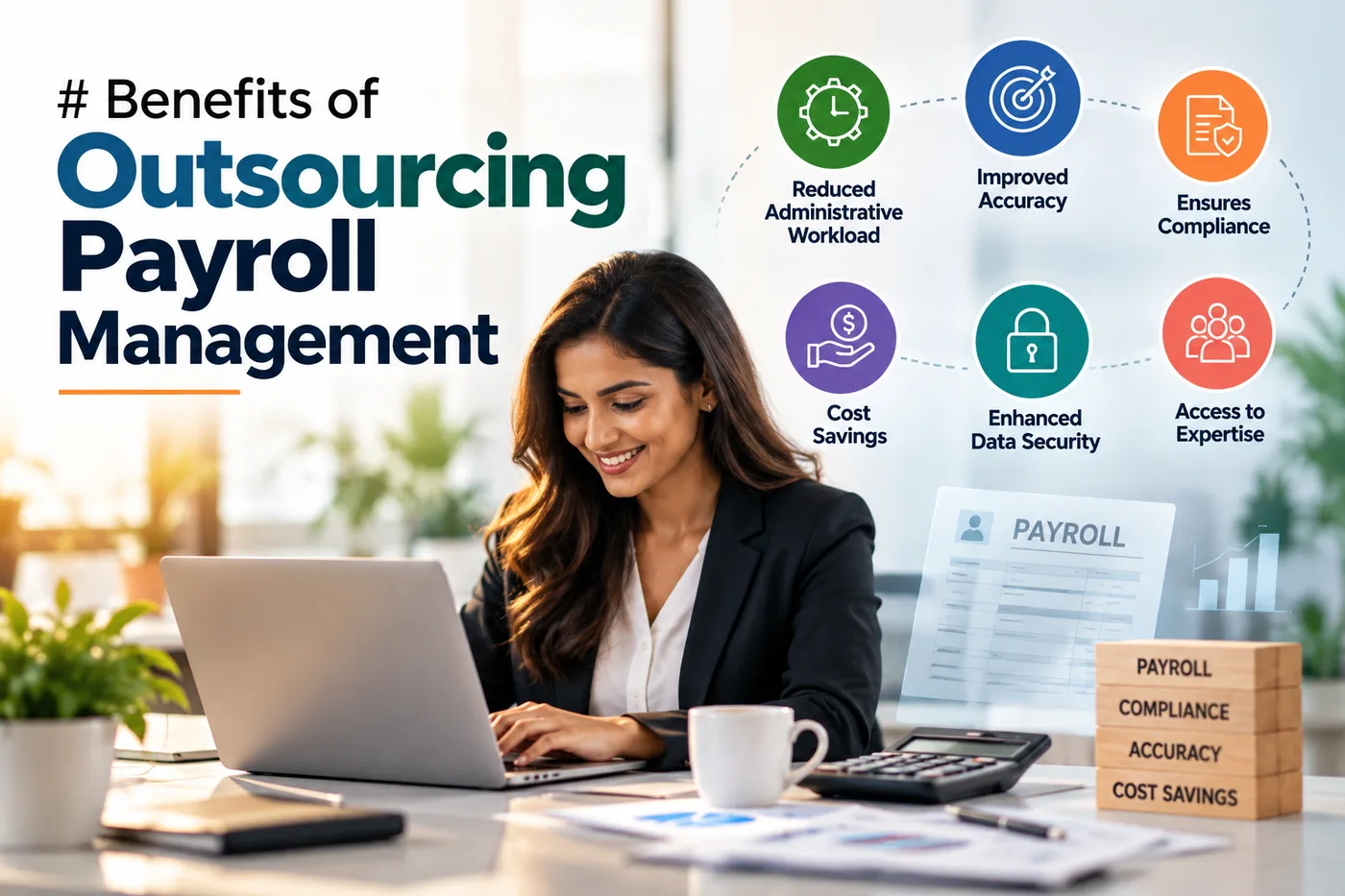
Payroll is an essential business function that requires accuracy, timely processing, organized employee information, and appropriate compliance procedures. As a business grows, managing payroll internally can become increasingly time-consuming, particularly when employee numbers increase or payroll requirements become more complex.
Outsourcing payroll management allows businesses to work with an external payroll service provider to manage some or all of their payroll-related processes. Depending on the service arrangement, this may include payroll processing, employee records, salary calculations, payroll documentation, reporting, and administrative support.
For businesses considering whether payroll outsourcing is suitable for their organization, understanding the potential benefits can help inform the decision.
1. Reduce Payroll Administration
Payroll involves more than calculating employee salaries. HR and finance teams may need to manage employee information, attendance data, leave records, deductions, payroll documentation, and reporting.
Outsourcing these activities can reduce the amount of routine payroll administration handled internally. This can allow HR and finance teams to dedicate more time to activities that directly support business operations.
2. Improve Payroll Accuracy
Payroll errors can create unnecessary administrative work and may affect employee confidence in the organization's payroll process.
A dedicated payroll service provider can establish standardized processes for collecting employee information, processing payroll, reviewing calculations, and preparing payroll reports. Consistent processes can help businesses reduce avoidable administrative errors.
Businesses should still maintain appropriate review and approval procedures, particularly for employee changes and payroll inputs.
3. Save Internal Time and Resources
Managing payroll internally requires employees, systems, processes, and ongoing administrative attention. For smaller businesses, maintaining these resources exclusively for payroll may not always be practical.
Payroll outsourcing can provide access to specialized support without requiring the business to build a large dedicated payroll function. The overall value depends on the organization's workforce size, payroll complexity, internal resources, and service requirements.
4. Access Payroll Expertise
Payroll processes can involve detailed calculations, documentation, reporting requirements, and location-specific considerations. An experienced payroll provider can bring specialized knowledge and established workflows to the process.
This can be particularly useful for businesses that do not have dedicated payroll specialists internally or are expanding into new markets where payroll processes may differ.
5. Support Payroll Compliance
Payroll and employment requirements can vary depending on the jurisdiction in which a business operates. Keeping internal processes aligned with applicable requirements can require continuous attention.
A payroll management provider can help businesses organize payroll processes and documentation around applicable requirements. However, businesses should confirm that their chosen provider has relevant expertise for the specific locations in which they operate.
6. Improve Data Security and Confidentiality
Payroll contains sensitive employee information, including salary details and personal records. Businesses therefore need appropriate controls around access, storage, and handling of payroll information.
Professional payroll providers typically operate established processes and systems for managing payroll information. Before outsourcing, businesses should review the provider's data protection practices, access controls, security procedures, and contractual responsibilities.
7. Scale Payroll as Your Business Grows
Payroll processes that work for a small team may become increasingly difficult to manage as the workforce expands.
Outsourced payroll services can provide a more scalable approach by supporting additional employees and changing payroll requirements as the organization grows. This can be particularly useful for businesses experiencing rapid hiring or expansion into multiple locations.
8. Improve Payroll Reporting
Accurate payroll information can help businesses understand workforce-related costs and support financial planning.
Depending on the service, payroll providers may provide structured payroll reports and documentation that can help HR, finance, and management teams review payroll information more efficiently.
Better-organized payroll data can also make it easier to identify discrepancies and maintain consistent payroll records.
9. Reduce Dependence on a Single Internal Employee
When payroll knowledge is concentrated with one employee, an absence or departure can create operational challenges.
Outsourcing can reduce this dependency by transferring payroll processes to an external team with defined workflows and responsibilities. Businesses should still maintain appropriate access to records and documentation to ensure continuity and accountability.
10. Allow Businesses to Focus on Core Operations
Payroll is essential, but it may not be a core revenue-generating activity for many organizations. Outsourcing routine payroll responsibilities can allow business owners, HR teams, and finance professionals to focus more attention on strategic priorities.
For growing businesses, this can include recruitment, employee development, workforce planning, customer operations, financial planning, and business expansion.
Is Payroll Outsourcing Right for Your Business?
Payroll outsourcing can provide significant operational benefits, but it is not automatically the right solution for every organization.
Before selecting a payroll provider, businesses should consider their employee count, payroll complexity, operating locations, internal capabilities, budget, data security requirements, reporting needs, and desired level of external support.
It is also important to understand exactly which payroll activities are included in the service and which responsibilities remain with the business.
Outsource Payroll Management With Meptor
Effective payroll management requires accurate processes, organized employee information, timely administration, and appropriate oversight. For businesses that want to reduce internal payroll responsibilities, outsourcing can provide access to dedicated support while creating a more scalable payroll process.
Meptor provides payroll management solutions designed to help businesses manage payroll-related processes efficiently. Our services can support organizations looking to simplify payroll administration and focus more of their internal resources on core business activities.
Explore Meptor's payroll management services to understand how professional payroll support can fit into your organization's HR operations